
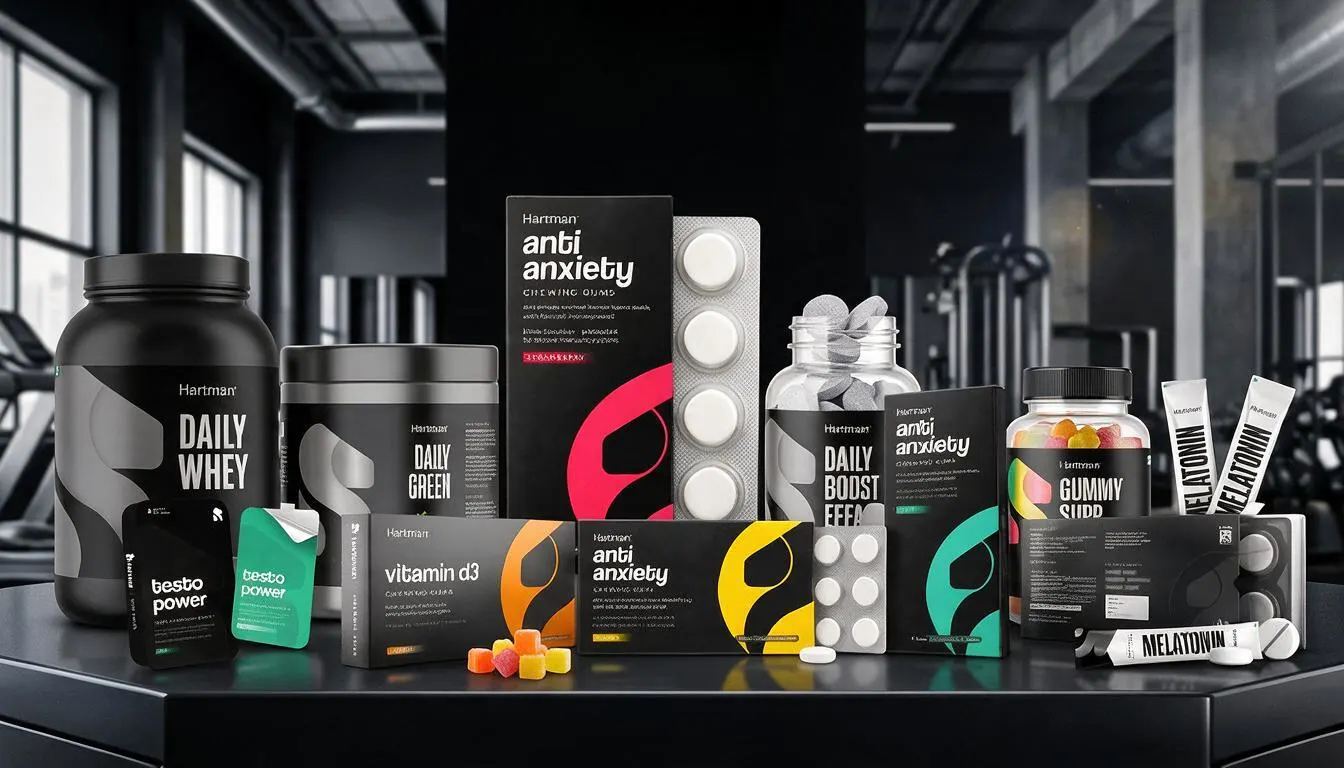
Most founders start with an ingredient. Not a product — an ingredient. "I want to launch a creatine range." "I want a sleep formula." Fair enough, that's where every brand starts out. It just isn't enough by itself.
There's a bigger question, though, and it gets asked way too late: how is someone going to use this thing, day after day, without thinking about it? Answer that first, and the format practically picks itself — capsule, gummy, strip, sachet, or effervescent tablet.
Think of a supplement less as a formula inside packaging and more as a habit someone keeps for months, sometimes years. Same active ingredient, completely different feel, depending purely on how it gets delivered — and that single choice touches dosage, taste, shelf life, pricing, compliance, even whether anyone comes back to buy a second bottle.
This guide runs through the formats used most often in Supplement Manufacturing, what each does well, and where founders trip up before anything reaches the factory floor.
Why Format Matters More Than Most Founders Realize
Plenty of brands choose a format simply because it's trending, not because it fits. Gummies are hot this year, so Gummies win; strips look modern, so strips win. The formula rarely gets a say in its own delivery method — exactly backwards.
What should decide it? The active dose. The taste. How the customer uses the product day to day. What it's competing against on the shelf — not whatever's trending on social media this month.
Take creatine — it can be a powder, a sachet, a chew, even a gummy, and each version drags its own baggage around dose size and taste. A hydration product might shine in an effervescent tablet and miss the mark as a capsule. Sleep formulas are trickier; capsule, strip, gummy, or sachet could all work, and the right call comes down to dose and how fast someone expects results.
The format is never just wrapping — it's part of the product, which is why Supplement Formats deserve real thought before manufacturing starts, not a rushed call after the formula's locked.
1. Capsules and Tablets
Capsules and tablets are the oldest format in the category. Still doing most of the heavy lifting, too, even without a gummy's Instagram appeal. For a huge share of formulas, Supplement Capsules remain the safest, most practical bet on the table.
Shines when a formula needs dose flexibility, low or zero sugar, longer shelf life, or a more clinical feel.
Best suited for:
- Multivitamins, herbal extracts, and minerals
- Probiotics and digestive enzymes
- Joint support formulas
- Men's and women's health blends
- Hair, skin, and nail formulas
- Hormonal wellness support
- Clinical or practitioner-style products
Founder insight: Capsules aren't outdated, whatever the trend cycle says. Often the smartest route when a formula needs meaningful dosage and clean, stable labelling. A capsule product only looks boring when the brand behind it is boring — good formulation and confident packaging fix that.
Where founders go wrong: Founders often try to force a high-dose formula into a trendier format that wasn't built for it. Certain mineral or probiotic blends don't survive the moisture and heat gummy or strip production involves. A manufacturing partner worth trusting says so, instead of just nodding along.
2. Gummies
Gummies supplements are having a real moment. Easy to eat, fun to look at, made for a quick unboxing clip. For a lot of people they feel less like medicine, more like a small daily treat. That's the whole appeal, really, and why the format now turns up everywhere: beauty, sleep, stress, multivitamins, kids' wellness.
Best suited for:
- Beauty, hair, skin, and nail support
- Sleep support
- Stress and relaxation blends
- Multivitamins
- Kids' and women's wellness
- Low-dose actives
- Lifestyle-first products
Founder insight: This format works best when the product needs to feel easy, something reached for without a second thought — a big reason D2C and influencer-led brands lean on it so heavily. But not everything belongs in a gummy. The constant mistake: assuming any active can just get dropped into a base and turned into nutraceutical gummies. Dose limits get in the way fast, and so does taste, and so does moisture stability.
Where founders go wrong: Ask for a creatine or magnesium gummy without checking the numbers first, and trouble follows — the effective dose often needs too many grams to fit a normal serving without wrecking the texture. Not impossible, just needs real development, not wishful thinking.
3. Oral Strips
Oral strips are one of the more interesting formats out there — thin, pocket-sized, gone in seconds. Nothing like swallowing a capsule. They suit products where the dose is small and the benefit is simple: energy, sleep, focus, breath, low-dose vitamins.
Best suited for:
- Energy and focus support
- Sleep support
- Breath freshening
- Vitamin D3 and B12
- Melatonin, where regulation allows
- Travel and on-the-go wellness
Founder insight: Oral dissolving strips work best when the idea stays simple and the dose stays low. They were never meant to carry protein, creatine, or collagen — forcing that combination usually ends badly. For the right product, though, genuinely powerful: an energy strip fits in a wallet, a sleep strip needs no water at bedtime.
Where founders go wrong: The trap is adding "just one more ingredient." That's usually where bitterness, drying issues, and dissolution problems creep in. The real question isn't whether something can become a strip — it's whether the product benefits from being one.
4. Sachets and Stick Packs
Sachets solve something gummies and strips can't: they hold a real dose while staying portable. That extra room matters — this format carries meaningful quantities of powder, the natural home for protein, creatine, hydration blends, fibre, and gut health formulas.
Best suited for:
- Protein and creatine
- Electrolytes and hydration
- Fibre and collagen
- Greens and gut health powders
- Beauty powders
- Pre-workout and recovery formulas
- Travel and trial packs
Founder insight: A stick pack box often makes more sense as a first product than a big tub — lighter, more premium-feeling, and an easier ask for a first-time buyer.
Where founders go wrong: Taste and solubility make or break this one. A powder that clumps or leaves a chalky aftertaste rarely gets bought twice. Founders need to think early about moisture-sensitive ingredients and the actual moment someone drinks it — before a workout, mixed into a smoothie.
5. Effervescent Tablets
Effervescent tablets turn a supplement into a drink. Natural fit for hydration, immunity, vitamins, general wellness — watching a tablet fizz and dissolve is its own small ritual, and rituals stick.
Best suited for:
- Electrolytes and hydration
- Vitamin C and immunity
- Multivitamins and magnesium
- Energy and hangover support
- Sports recovery and travel wellness
Founder insight: This format suits brands that want something drinkable without the cost of manufacturing a full ready-to-drink beverage. Lighter to ship than liquids, and it can feel genuinely premium in the right tube.
Where founders go wrong: Moisture is the enemy, full stop. Weak packaging or a missing desiccant softens tablets, kills the fizz, sometimes triggers the reaction early. Taste takes several rounds too — acidity, sweetness, mineral masking, balanced against each other.
6. Gels and Jelly Sticks
Gels and jelly sticks sit somewhere between a supplement and a functional food. They don't feel like pills — squeeze one straight into the mouth before a workout, before bed, or just as a habit.
Best suited for:
- Sports energy and honey-based fuel
- Hydration
- Sleep and stress support
- Kids' wellness and beauty jellies
- Functional food-style products
Founder insight: Works well for brands chasing something modern, closer to food than medicine. Plenty of markets are still underdeveloped here, so the differentiation is real — a honey energy gel or a sleep jelly tends to stand out simply because so few brands are doing it well yet.
Where founders go wrong: This format demands technical control in return — viscosity, mouthfeel, preservative systems, leak-proof packaging. A sports gel and a sleep jelly might look nearly identical on a shelf, but they're built for different moments, and the formulation has to know that.
7. Chews and Functional Gums
Chews and gums work when a product is built around habit and quick use — caffeine, focus, breath, functional snacking, categories where the benefit needs to land fast. A caffeine gum makes sense mid-workday; a focus chew, before a study session.
Best suited for:
- Caffeine and energy
- Focus support
- Breath freshening and oral wellness
- Functional snacking and quick-use products
Founder insight: The format creates the habit almost by itself. A caffeine version works because the customer wants energy fast; a breath version works because the need is immediate.
Where founders go wrong: Not every active releases properly from a chew base, and some ingredients just taste too bitter to mask well. Founders also need to decide early: chewed and swallowed, or dissolved slowly? That call changes the formulation.
8. Functional Powders
Supplement powders are still one of the most important formats in functional nutrition, buzz around gummies and strips aside. When a formula needs several grams of active per serving, powder is usually the only realistic answer.
Best suited for:
- Protein and creatine
- Collagen and fibre
- Greens and meal replacement
- Electrolytes and pre-workout
- Post-workout recovery and gut health
Founder insight: A protein product was never going to work as an oral strip. A real fibre dose won't fit in a tiny gummy either. Powder gives a formula room to breathe — space for functional dosing, flavour, and multiple actives without compromise.
Where founders go wrong: Taste, texture, and solubility decide whether it gets bought again. People tolerate a slightly medicinal capsule far more easily than a bad-tasting drink made every day. Packaging matters too — a sachet box beats a big tub as a first move.
Supplement Formats at a Glance
|
Format |
Best For |
Needs Water |
Typical Dose Level |
|
Capsules & Tablets |
Vitamins, herbal extracts, clinical positioning |
No |
Low to moderate |
|
Gummies |
Beauty, sleep, kids' wellness, lifestyle |
No |
Low |
|
Oral Strips |
Energy, focus, quick-use wellness |
No |
Very low |
|
Sachets & Stick Packs |
Protein, hydration, creatine, fibre |
Usually |
High |
|
Effervescent Tablets |
Hydration, immunity, minerals |
Yes |
Moderate |
|
Gels & Jelly Sticks |
Sports energy, sleep, functional food |
No |
Low to moderate |
|
Chews & Gums |
Caffeine, focus, breath, oral wellness |
No |
Low |
|
Functional Powders |
Protein, greens, meal replacement |
Yes |
High |
How Founders Should Actually Choose a Format
Start with the active dose. High-gram formulas lean toward powders, sachets, gels, or effervescents; low-dose actives sit comfortably in gummies, strips, capsules, or chews.
Then think about taste — bitter or earthy actives cause real headaches in gummies, strips, jellies, and powders, so taste masking has to be planned early, not bolted on later.
There's also the question of how the customer uses it — before a workout, before bed, on a flight. Let that moment shape the format instead of forcing the format onto the moment.
Water matters more than founders think. Capsules, gummies, strips, and gels don't need it; powders, effervescents, and most sachets do — and that single difference changes how convenient a product feels day to day.
Price comes next — some formats cost more to manufacture and pack, so check early whether the product still hits its price once formula, packaging, and MOQ are added up.
Claims need attention too — sleep, hormonal wellness, and weight management demand compliant language no matter which format gets picked.
And finally, know what you're up against — a creatine gummy competes with creatine powder, a hydration sachet competes with electrolyte tablets. Understand that before locking anything in.
A Quick Format Guide
- For a high dose: powders, sachets, gels, or effervescents work best.
- Chasing pure convenience? Gummies, strips, sachets, or chews.
- Need a clinical, serious feel — capsules or tablets are the safer bet.
- Going for a fun, lifestyle vibe? Gummies, jellies, or drinkable powders fit naturally.
- Hydration products usually land best as sachets, effervescents, or powders.
- Energy or focus formulas can work as strips, gums, chews, or capsules.
- Beauty leans toward gummies, powders, or capsules.
- Sleep formulas suit capsules, gummies, strips, or jelly sticks.
- Sports nutrition usually needs powders, sachets, gels, or effervescents.
None of this is fixed — the formula and the market will always have the final say. Treat it as a starting point, not a shortcut around real testing.
The Real Mistake: Choosing Format Before Strategy
Plenty of founders pick the format first, then figure out strategy afterward. That order rarely works.
The better sequence: define the problem, define who it's for, decide the benefit and positioning, shortlist the actives, check dosage and compliance — only then choose the format. Taste, packaging, and pricing come after.
Format should support a strategy, not replace one. A gummy can't rescue a weak formula, a sachet can't fix poor positioning. The strongest results in custom supplement manufacturing happen when formula, format, claims, and packaging are designed together from day one, not patched together afterward.
How Hartman Helps Founders Get the Format Right
Most founders who walk in have an idea, not a finished brief — "I want to launch creatine," or "I saw something like this online and want our own version." That's usually where it starts; our job is turning that idea into something buildable and sellable.
Which means digging into active ingredients, required dosage, taste, format options, packaging, MOQ, and the compliance route needed. Hartman works across capsules, tablets, gummies, oral strips, sachets, powders, effervescent tablets, gels, and chews — sometimes as a private label supplements partner for a brand that wants to move fast, other times as a contract manufacturing partner for something built from scratch.
A small private label dietary supplements batch to test an idea, or a larger custom formulation for a wellness products line — either way, the goal doesn't change: right product, right format, right customer. Hartman backs this across dietary supplement manufacturing with facilities certified to USFDA, WHO-GMP, ISO 22000, HACCP, HALAL, and KOSHER standards, plus 500-plus formulations built and export reach into 70-plus countries.
Trying to decide between a gummy, a strip, a sachet, a capsule, or an effervescent for the next launch? Get it evaluated before manufacturing starts. In dietary supplements, the format itself often makes a product easier to trust — and easier to buy a second time.
FAQs
1. How do I know if my formula should be a capsule or a gummy?
Ans: It comes down to dose and taste. High-gram actives rarely fit a gummy without wrecking texture, so they usually land in capsules or powders instead. If the dose is low and the ingredient tastes reasonably clean, a gummy works fine. Always check the numbers before picking a format — not after.
2. Are oral strips only good for low-dose products?
Ans: Pretty much, yes. Oral strips dissolve fast and carry very little material, so they suit things like energy, focus, sleep, or vitamin B12 — anything with a small, simple dose. Protein, creatine, or collagen just won't fit. If your active needs several grams per serving, look at sachets or powders instead.
3. What's the biggest mistake founders make when choosing a supplement format?
Ans: Picking the format before the strategy. Founders often chase whatever's trending — gummies, strips, stick packs — without checking if the dose, taste, or claims actually fit. A gummy can't fix a weak formula, and a sachet won't rescue bad positioning. Strategy should always come first, format second.
4. Do effervescent tablets need special packaging?
Ans: Yes, definitely. Moisture is the real enemy here — weak packaging or a missing desiccant can soften the tablet, kill the fizz, or trigger the reaction early, before it even reaches the customer. Getting the seal and desiccant right matters just as much as getting the formula itself right.
5. Can any ingredient be turned into a gummy?
Ans: Not really. Gummies work best with low-dose actives that taste reasonably mild. High-gram ingredients like creatine or fibre are hard to fit without ruining the texture, and bitter or metallic actives need serious taste-masking work. It's always worth checking dose and flavor compatibility before assuming a gummy will work.
6. How does Hartman help founders pick the right format?
Ans: Most founders arrive with just an idea, not a finished brief. Hartman looks at the active ingredients, required dosage, taste, target market, and compliance needs, then recommends formats across capsules, gummies, strips, sachets, and more — as either a private label or fully custom contract manufacturing partner.
Final Thoughts
Choosing the right delivery format isn't about chasing the latest social media trend—it’s about balancing technical feasibility, dosage realities, and your customer's daily habits. When your formula, format, and market positioning align perfectly, you create a product that doesn't just look great on a shelf but earns a permanent place in a consumer's daily routine.
Not sure which format actually fits your formula? Contact to Hartman's product team before locking in your next manufacturing run.


